
Interview with Julian Hanebeck, Managing Director of the Center for Graduate Studies (ZGS), University of Wuppertal
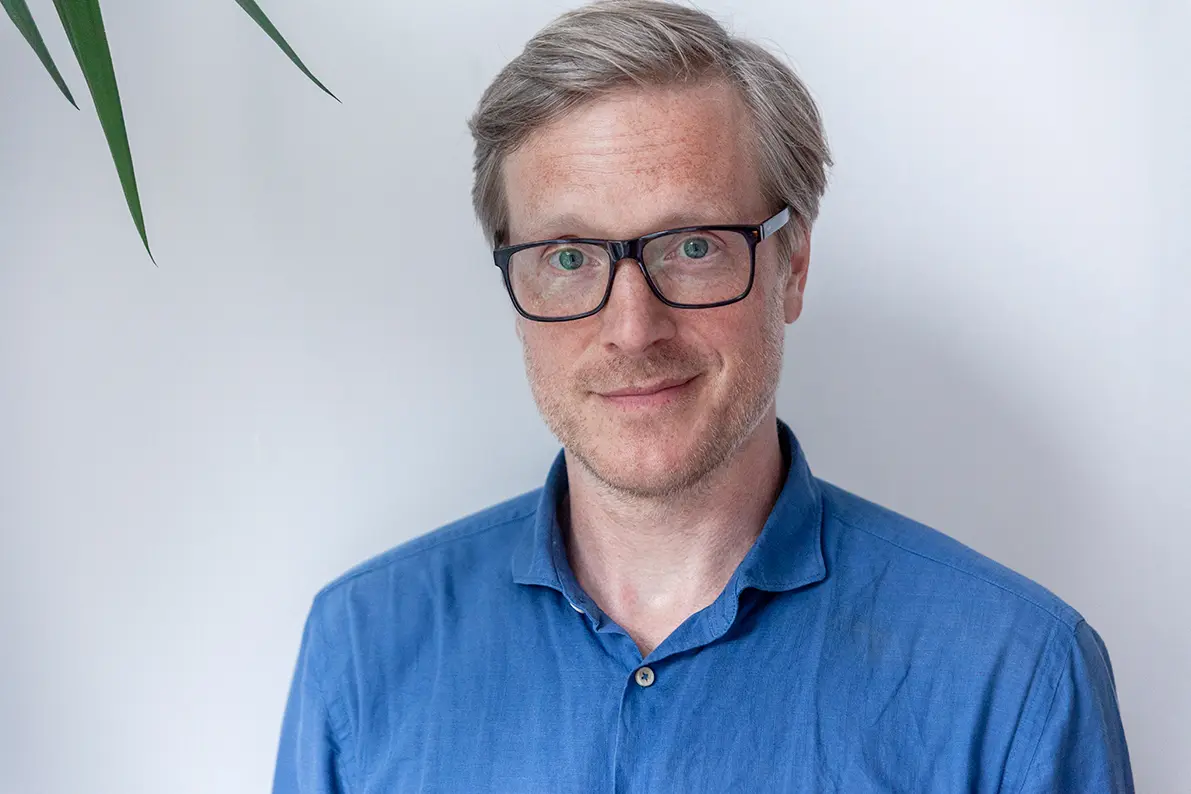
Julian Hanebeck and Sebastian Witzmann met at an entrepreneurs’ networking event. They quickly found common ground discussing one of our favorite topics: Holocracy. After Julian visited us in Düsseldorf, we asked him about his impressions — and why agile methods are relevant to his work in academia.
Julian, why is the managing director of a center for graduate studies interested in holacracy?
We are a cross-faculty institution that supports early-career researchers. Naturally, this raises the question of how science can be organized effectively. How can researchers come together to address the key challenges of our time? Young scientists don’t find answers only by working alone - they also need collaboration and exchange. That’s why I’m interested in methods of cooperation and dialogue - and in organizational models like holacracy.
From your perspective as a science manager, where do German universities stand today? Can they learn to work in a more agile way?
Agility has certainly arrived in research and continuing education. However, systems are resilient. The principle of distributed authority, which is central to agility in my view, conflicts with traditional university structures in Germany. Speaking for my own organization, the ZGS still has a lot of catching up to do. We can learn a great deal from companies like rising systems.
Where do you see opportunities to apply agile methods in a university environment?
As a coach, I support change processes. I help doctoral candidates find their role, organize themselves effectively, and deal with pressure. For that, I need a well-equipped toolbox. The more methods I know, the better I can support students in different situations. The ZGS also aims to teach agile working methods as part of its training programs. I can easily imagine applying these approaches to our own internal processes as well. One area where agility is becoming increasingly important is studying and researching in digital spaces. Simply transferring a lecture hall one-to-one into an online format wastes the potential of new technologies.
Everyone was very open. I was able to look at everything, talk to everyone, and ask anything I wanted. I had the clear impression that employees strongly identify with rising systems. What surprised me most was the number of rules. You place great emphasis on clear guidelines and on people acting consistently within the roles they currently hold. Interestingly, no one seemed bothered by this—quite the opposite. The meeting I attended was clearly structured and felt much more dynamic and transparent than many meetings I’ve experienced elsewhere. Facilitators ensured that everyone felt comfortable and had a chance to speak. I really liked that, because it effectively prevents informal hierarchies. Overall, I experienced a very dynamic yet relaxed working environment—open, but not stressed. Thank you very much!
Curious to take a closer look or learn from and with us?
Feel free and get in touch!